Why Filters Are Becoming the Past
For decades, filters have been treated as the foundation of air purification.
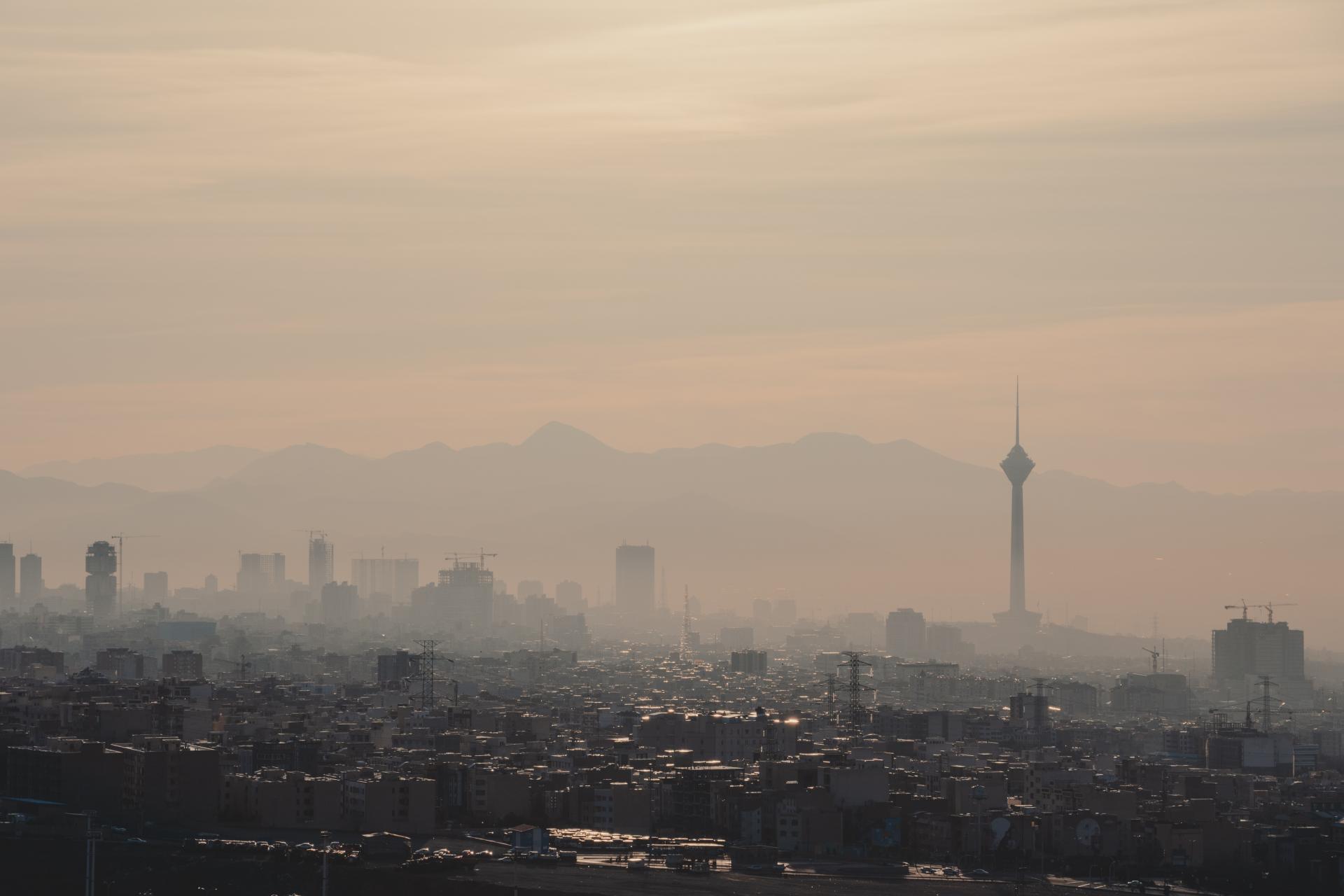
As indoor air became a bigger concern, especially in cities affected by fine dust, smoke, and pollution, air purifiers became part of everyday life. The idea was simple: pull polluted air into a device, trap the particles inside a filter, and send cleaner air back into the room.
It worked well enough to become the standard.
But today, we need to ask a different question.
If filters help clean the air inside our homes, what happens to the filters after they are used?
The hidden cost of clean air
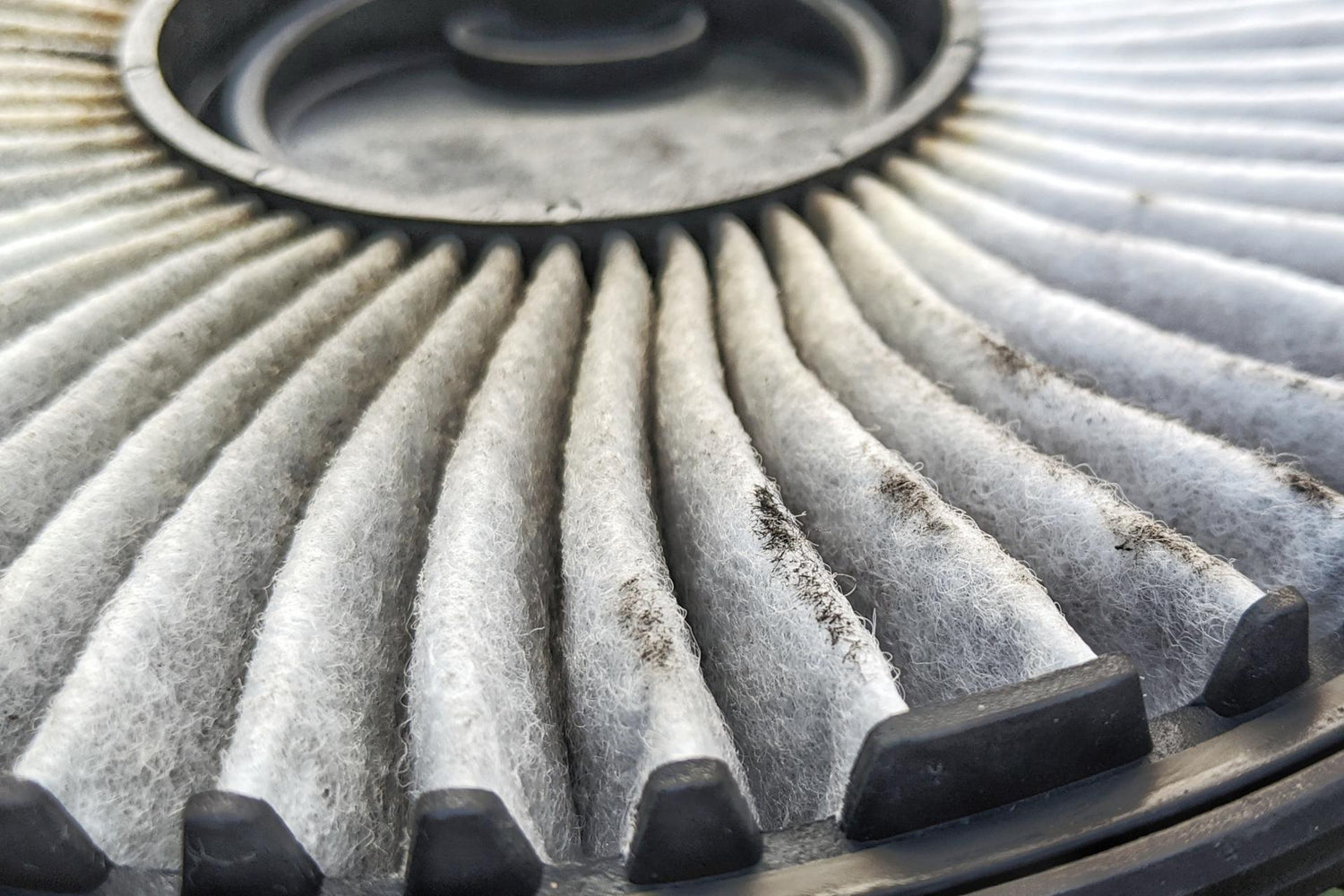
A used filter does not disappear.
It becomes waste.
Most air purifier filters are made from synthetic fibers, plastics, or layered materials that are difficult to recycle. Once they are filled with dust and pollutants, they are usually thrown away as general waste.
In industrial settings, the problem can become even more serious. Filters used in factories, scrubbers, or highly controlled facilities can become contaminated and require special disposal. Some air pollution control systems also rely on plastic packing materials that must be replaced over time, creating another stream of waste.
This is the irony of filter-based air care.
We use filters to protect our lungs.
But after they are used, the planet has to carry the waste.
Filtering is not the only answer
The filter-based model has shaped how we think about clean air.
Buy a filter.
Use a filter.
Replace the filter.
Throw it away.
Then repeat.
This cycle may feel normal because we are used to it. But normal does not always mean sustainable.
Many technologies once felt permanent until a better idea changed the standard. Film cameras became digital. Text messages became mobile messengers. Old systems were replaced when people began to think differently.
Air care may be ready for the same shift.
What if clean air did not have to depend on disposable filters?
From trapped dust to washed air
CUE begins from a different principle.
Instead of relying on a physical filter that collects dust over time, CUE uses water-based air washing. Water becomes the medium that meets the air, increases contact area, and helps capture dust, odor, and harmful gases.
This is not simply spraying water into the air.
CUE is based on the idea of turning water itself into a functional filtering medium through motion, pressure, and fine water division. The goal is to create a cleaner way to care for air without building the experience around replacement filters.
In other words, CUE does not ask you to keep buying filters.
It asks you to rethink what a filter can be.

A more circular way to breathe
The future of air care should not create a new environmental problem while trying to solve an indoor one.
Cleaner air should be better for people.
And better for the planet.
That is why filter-free air washing matters.
It can reduce dependence on disposable filters, help lower waste, and create a more circular way to care for the spaces we live in every day.
Water goes in.
Air is washed.
The space feels renewed.
This is the shift CUE is built around.
Less trapped dust.
Less filter waste.
More renewal.
The next generation of air care may not be about adding another layer.
It may be about removing the filter from the equation entirely.
Stop trapping dust.
Start washing air.